
5 Years Post-Op: My Double Jaw Surgery Recovery, Results and Tips
Waking up four days after double jaw surgery, I didn't recognise the person looking back at me. My face was at "peak swelling," I couldn't feel my chin, and I couldn't even smile. Fast forward to today, and I am five years post-op. While I’ve shared bits and pieces of my journey over the years, I wanted to condense everything into one guide to answer the questions I get asked most: Was it worth it? How was the pain? Do I have permanent nerve damage?
Whether you’re currently in braces, have your surgery scheduled, or are just starting to consider it, here is my honest experience with double jaw surgery.
Why I Needed Double Jaw Surgery
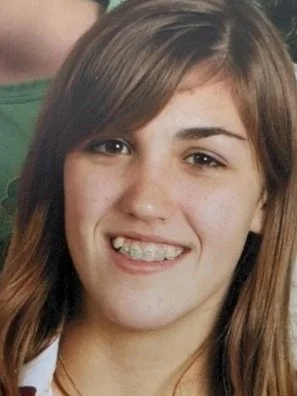
Age 13 when I first got braces.
The first time jaw surgery was mentioned to me was back in middle school. At the time, my teeth and jaw had several alignment issues:
Narrow Upper Jaw: My top jaw was too narrow, causing overcrowding.
Misaligned Bite: My top jaw was too far back, and my lower jaw was slightly forward and crooked.
Functional Issues: My teeth didn't meet properly, making it nearly impossible to bite through thin foods like sushi or spring rolls.
Nasal Breathing: I didn't realize it then, but my misaligned jaw was actually pinching my nostrils, making me a chronic mouth breather.
Beyond the aesthetics, my orthodontist warned that my back teeth would eventually start chipping because they were clashing more than they should.
The Preparation: Braces and Costs
I finally decided to go through with the procedure in my late 20s. In South Australia, the process looked like this:
Orthodontics: I had braces for 13 months total (6 months before surgery and 7 months after). While some people use Invisalign, my surgeon insisted on traditional braces for the precision required during the procedure.
Private Health Insurance: This is crucial. Without it, the hospital stay alone could have cost $30,000. With private health, I only paid the $500 excess.
Total Cost: All up, including orthodontics, the surgeon, and hospital fees, it cost approximately $15,000 AUD.
The Recovery: Pain, Swelling, and Tools
I had double jaw surgery, which required a two-night hospital stay. Contrary to popular belief, my jaw was not wired shut; instead, I had elastics that kept my bite in place while still allowing for a "soft food diet."
Managing Pain and Swelling
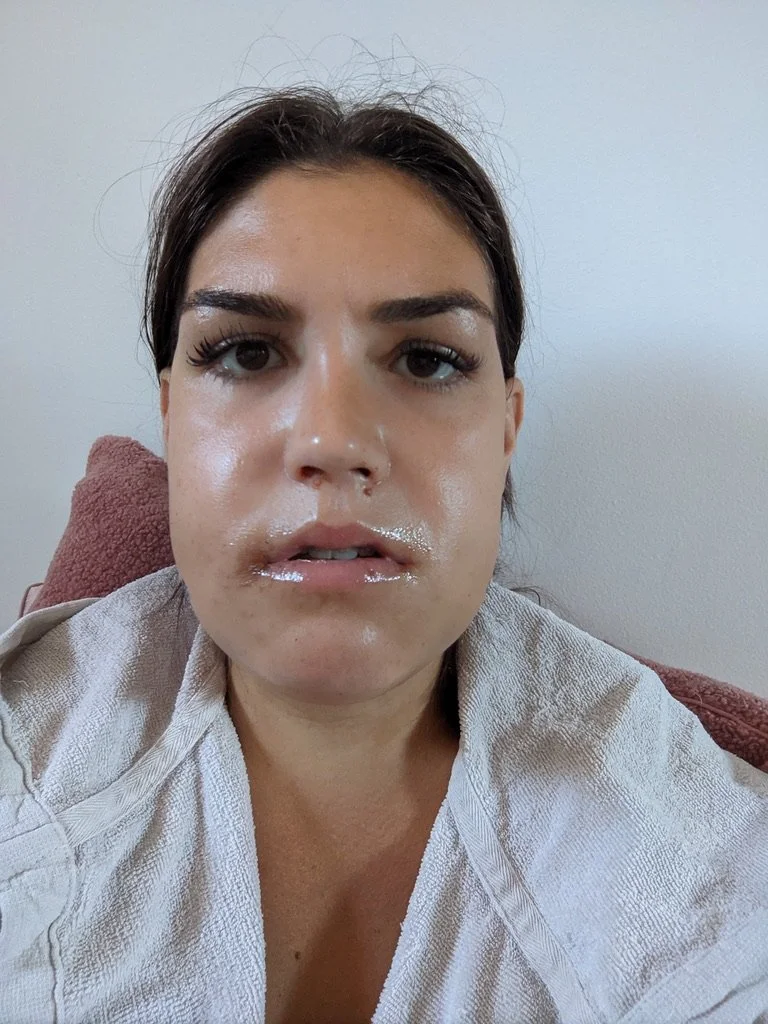
4 days post-op swelling.
The pain is manageable if you stay on top of your medication. For me, day three and four were the hardest—mostly due to nausea from not eating enough. To combat the swelling and speed up healing, I swore by three things:
Ice Rolling: Essential for the first few weeks to bring down the puffiness. I recommend this one.
Red Light Therapy: I used a LUMBOX red light panel twice a day. Red and near-infrared light help stimulate mitochondria to repair tissue and bone faster. Check it out here.
Movement: Don’t stay on the couch for weeks. Light walks and Vitamin D help the body recover.
Nutrition is Non-Negotiable
Your body needs extra energy and protein to repair bone and tissue. Even if you aren't hungry, you must eat. I relied heavily on:
High-Quality Meal Replacements: I used HLTH Code shakes because they are high in protein and healthy fats without added sugars or inflammatory oils. Save 15% off HLTH Code shakes here.
Soft Foods: Scrambled eggs, avocado, and bone broth (great for collagen and electrolytes).
Electrolytes: Hydration is key. I recommend Sodii Everyday Hydration Salts to maintain your mineral balance without the sugar found in typical sports drinks. Check them out here.
The Results: 5 Years Later
I am extremely happy with the results and have zero regrets.
Do I have permanent numbness? I have one tiny spot on my chin and lip that feels like "pins and needles" when touched. It’s not painful and I don’t notice it day-to-day, but it is a common side effect of nerve movement during surgery.
Can I breathe better? Yes! One of the first things I noticed waking up was how much air I could get through my nose. I no longer have to "mouth tape" at night because I can finally close my jaw comfortably.
Maintenance: I still wear my retainers most nights. After all the time and money spent, I’m not risking my teeth shifting back!
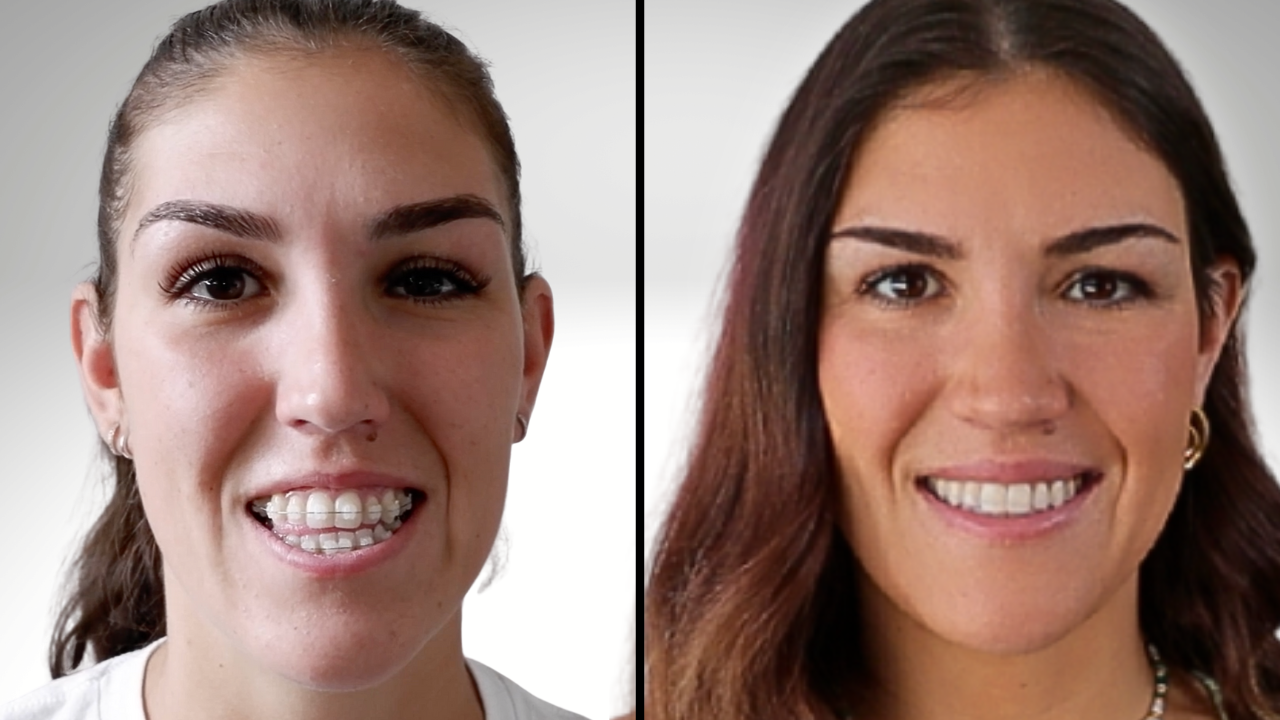
Double jaw surgery results 5 years later.
Final Advice
If you are heading into this journey, be prepared. Have your nutrition plan ready, stay on top of your pain meds, and give yourself grace during the "peak swelling" phase. It’s a long road, but for the ability to breathe clearly and eat properly, it was worth every penny.
Are you considering jaw surgery or currently in recovery? Leave your questions in the comments below!
