
I Tried the Viral Sardine Fast: Here’s What Happened
Is it just me, or is everyone obsessed with sardines right now? If you’ve spent any time online lately, you’ve likely seen people talking about the sardine fast. It’s touted as a metabolic reset, a way to jumpstart ketosis, and the ultimate tool to break through a stubborn weight loss plateau.
As a nutritionist, I’m usually skeptical of "quick-fix" trends. However, sardines are arguably one of the most underrated superfoods on the planet. They are packed with omega-3 fatty acids, complete protein, calcium, vitamin D3, and selenium, all while being incredibly low in mercury.
I decided to go beyond the hype and get hard data. For three days, I ate nothing but sardines, and I tracked every metabolic shift using a Continuous Ketone Monitor (CKM). Here is what happened.
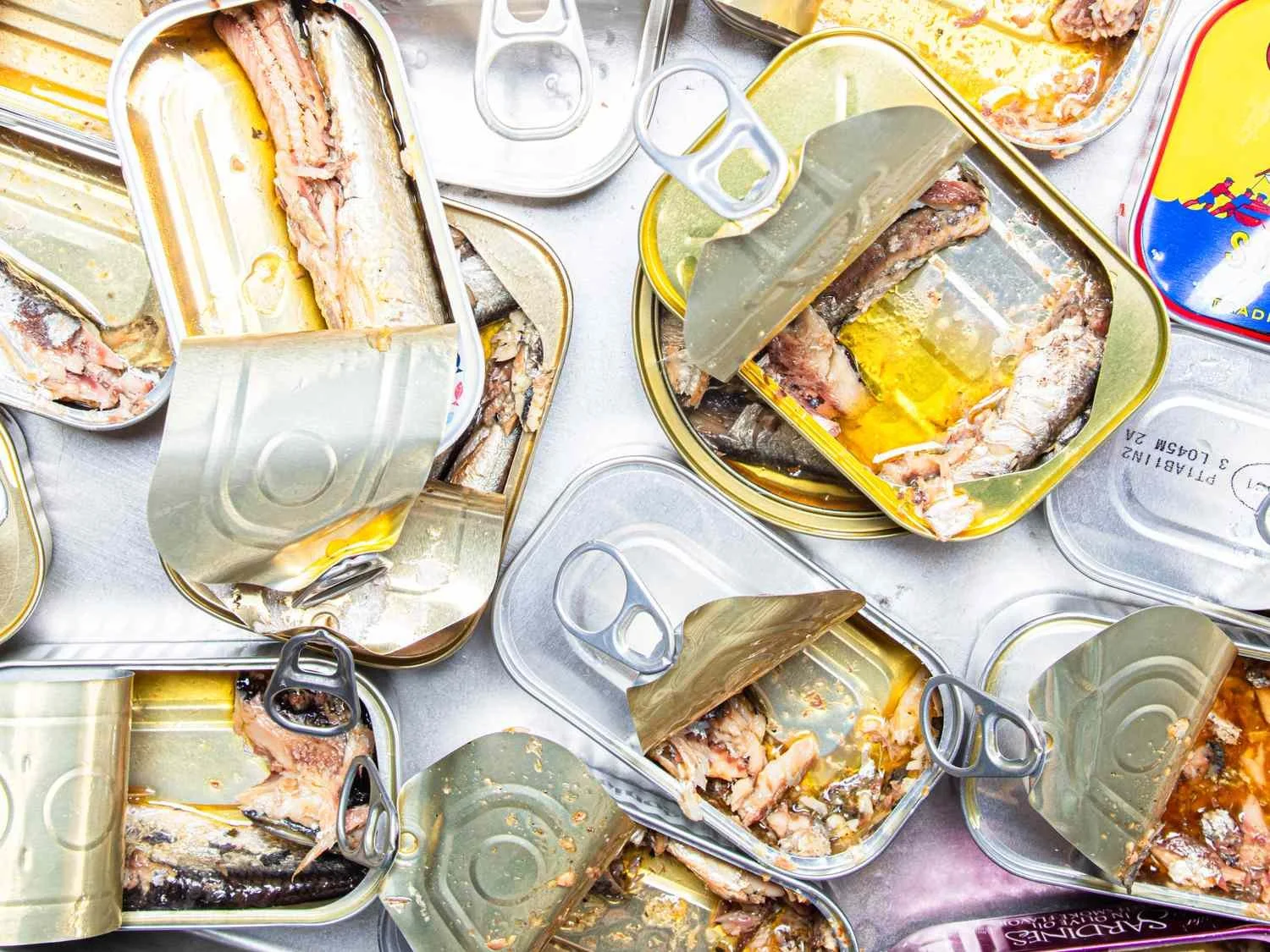
What Exactly is a Sardine Fast?
The rules are simple: for 3 to 5 days, you eat nothing but sardines.
No calorie counting: You eat when you're hungry.
The typical volume: Most people land on about two tins, three times a day.
The Gold Standard: Choose sardines in spring water. Avoid seed oils like soybean or canola, which are inflammatory and can negate the benefits of the fast. If spring water isn't an option, 100% olive oil is a distant second.
The Metabolic Data: What the CKM Revealed
I started this experiment on a Monday following a busy weekend of hockey games and social events. My ketones were at a baseline low (around 0.3 to 0.5 mmol/L), which made it the perfect starting point.
The 24-Hour Breakthrough
Day one is always the hardest. My body was still expecting regular meals, and I felt the typical "fasting fog", mild hunger and lower energy. However, once I hit the 24-hour mark, my ketones crossed the 1.0 mmol/L threshold, signalling the start of nutritional ketosis.
Suddenly, the hunger vanished, and my focus sharpened. This is the "magic window" of fasting; if you can push past the first day, your biology takes over.
The Impact of Stress and Exercise
Wearing a CKM in real-time revealed some fascinating nuances:
Strength Training: My ketones actually dropped during heavy lifting. This is normal; your body releases stored glucose for quick energy.
Zone 2 Cardio: During long walks or light runs, my ketones spiked. This confirms that low-intensity movement is fueled almost entirely by fat.
Stress: Even a stressful meeting can cause a cortisol spike, releasing glucose into the blood and temporarily dipping ketone production.
Why It Works: Beyond the Biology
While the omega-3s and protein are vital, the secret weapon of the sardine fast is decision fatigue.
One of the hardest parts of any metabolic reset is constantly asking, "What should I cook?" or "Is this too many carbs?" The sardine fast removes the mental load entirely. The answer is always the same: sardines. This simplicity makes it much easier to stick to than a traditional ketogenic diet or a strict water fast.
Sardine Alternatives and Supplements
If you can't stomach the texture of sardines, you aren't out of luck:
Mackerel: A similar nutritional profile (oily, cold-water fish) but with a much milder, less "fishy" taste.
Sardine Capsules: Freeze-dried whole-food capsules allow you to get the nutritional profile without the taste, though I haven't yet tested if these produce the same fasting results as the whole fish.
The Verdict: Should You Try It?
At the end of the 72 hours, my ketones stabilized between 1.5 and 2.0 mmol/L. I felt hyper-focused, my energy was steady, and I had successfully "reset" my hunger hormones.
Is it a long-term solution? No. Is it a powerful tool for a metabolic "nudge"? Absolutely.
If you’re struggling with food noise or a weight loss plateau, a 3-day sardine fast is a safe, nutrient-dense way to prove to your body that it can, in fact, burn fat for fuel.
