A complete guide to peptides: Retatrutide, benefits, risks and safety
The conversation around health and weight loss is about to undergo a massive shift. Recent reports suggest that in early 2026, the FDA is expected to lift restrictions on certain peptides, moving them from Category 2 (prohibited) back to Category 1 (available for research and prescription).
As a nutritionist specialising in insulin resistance, I’ve spent months digging into the clinical studies. While I once viewed the "grey market" peptide craze with skepticism, the data on metabolic breakthroughs like Retatrutide is impossible to ignore.
What Exactly Are Peptides?
Peptides are naturally occurring short chains of amino acids—essentially "mini proteins." They act as signaling molecules, plugging into receptors to tell your body to burn fat, repair tissue, or release hormones.
A familiar example is insulin. Just as a Type 1 diabetic injects insulin to regulate blood sugar, "biohacking" with peptides involves using these molecules to trigger specific biological outcomes.
The Big Three: From Ozempic to the "Triple Agonist"
The weight loss world has evolved rapidly. To understand where we are going, we have to look at how these substances target our receptors:
Single Agonists (Semaglutide/Ozempic): Targets the GLP-1 receptor. It slows digestion to keep you full, but often causes significant nausea.
Dual Agonists (Tirzepatide/Mounjaro): Targets GLP-1 and GIP. This duo improves how the body burns and stores fat, leading to better results than Ozempic.
Triple Agonists (Retatrutide): The "new frontier." It targets GLP-1, GIP, and Glucagon, which has the additional benefit of increasing metabolic rate.
The Retatrutide Advantage
Retatrutide (or "Reta") is showing unprecedented results in clinical trials, with participants losing an average of 24% body fat in 48 weeks. Unlike earlier drugs, the addition of glucagon increases the resting metabolic rate. Testimonials suggest it "quiets" food noise without the crushing nausea or total appetite loss that leads to muscle wasting.
Beyond Weight Loss: Healing and Anti-Aging
While metabolic health is the headliner, other peptides are gaining traction for their regenerative properties:
BPC-157: Known as the "Wolverine Peptide" for its potential in gut health and tissue repair.
GHK-Cu: A copper peptide used for skin remodeling, hair growth, and anti-aging.
TB-500: Often used alongside BPC-157 to reduce systemic inflammation and speed up recovery.
The "Gray Market" Warning
Currently, many people access these via "research chemical" websites. This is a legal loophole where substances are sold "for research purposes only."
The risks are real:
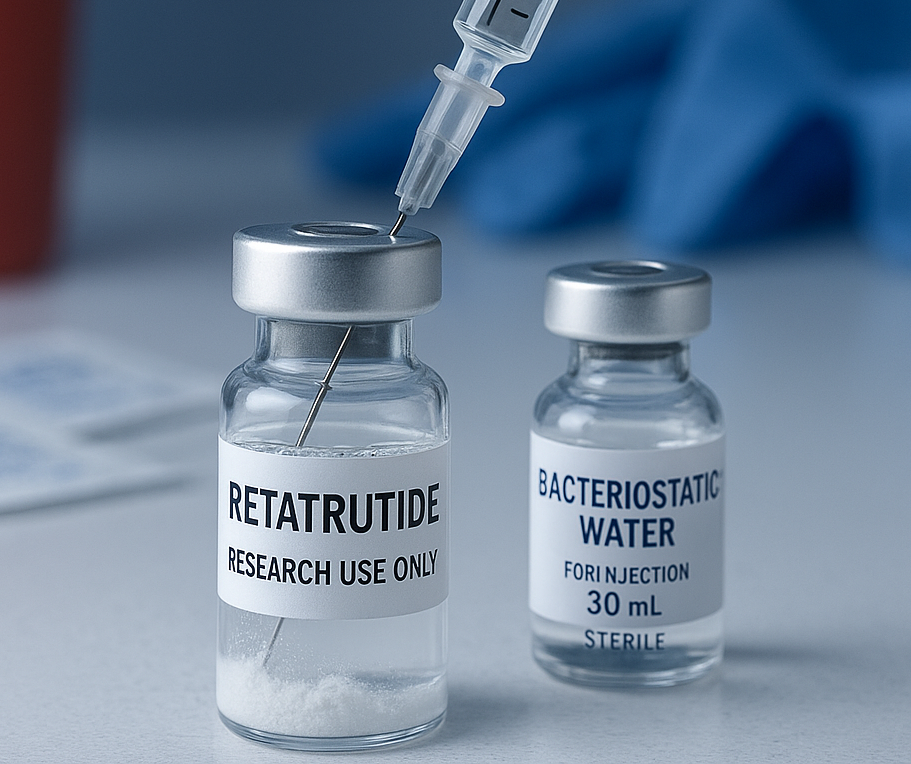
DIY Chemistry: These often come as a powder that must be "reconstituted" with bacteriostatic water. One math error can lead to a 10x overdose.
Stability: Peptides are fragile. Heat or rough handling during shipping can degrade the product.
Heart Rate & Sleep: Retatrutide has been linked to an increased resting heart rate (7–10 bpm) and decreased Heart Rate Variability (HRV), which can impact sleep quality.
The Bottom Line: Biology-First, But Lifestyle Always
Peptides are powerful tools, but they aren't a "get out of jail free" card. If you don't use the quieted food noise to build better habits, like hitting your protein goals and resistance training, the weight will likely return once the peptide stops.
As we move into 2026, the potential for these molecules to treat obesity and metabolic dysfunction is higher than ever. Stay informed, do your research, and always prioritise the foundation of health: diet and lifestyle.
