
What are peptides, and why is everyone suddenly on them
Peptides are showing up everywhere. Weight loss, injury recovery, skin health, hair growth, longevity. If you've been seeing the word and wondering what they actually are, whether they're safe, and where people are getting them, this post covers everything you need to know.
The short version: peptides are signalling molecules your body already makes naturally. What's new is the range of peptides now being studied and used for specific health outcomes, and some of the early results are genuinely remarkable. Here's what the research actually shows, and what to understand before the conversation moves any further.
What peptides actually are
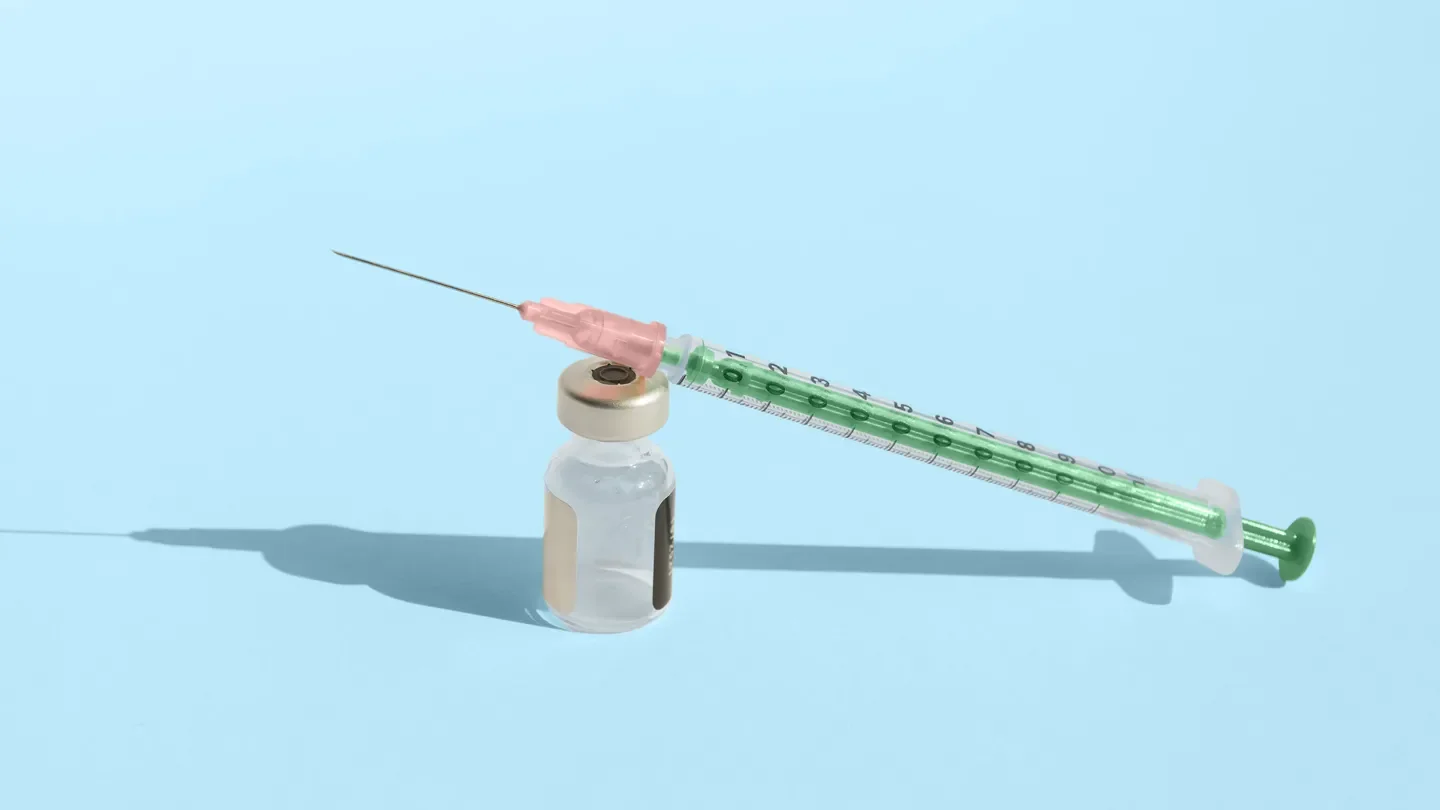
Peptides are chains of amino acids. Amino acids are the building blocks of protein, and peptides are simply shorter chains that act as signalling molecules in the body. Think of them as messengers. They attach to specific receptors and tell your body to do something: burn fat, stimulate hair growth, reduce appetite, repair tissue, produce more deep sleep.
Your body already makes peptides naturally. One you're almost certainly familiar with, even if you didn't know it was a peptide, is insulin. Insulin is a peptide hormone your body produces to regulate blood sugar. For people with type 1 diabetes, whose bodies don't produce it due to an autoimmune condition, injecting insulin is lifesaving.
The idea of injecting a peptide is not new. What's new is the range of peptides now being explored for other functions.
How peptides work in the body
Peptides are different from steroids, and this distinction matters.
Steroids are synthetic hormones that replace or override your body's own hormonal processes. Peptides don't replace hormones. They signal your body to produce or regulate its own processes. That's a fundamentally different mechanism, and it's a large part of why the interest in peptides has grown so quickly.
Like insulin, most therapeutic peptides are administered through small subcutaneous injections. The method is familiar. The applications are expanding rapidly.
The peptides getting the most attention right now
Three peptides come up consistently in both research and public conversation.
Retatrutide (reta). Currently being studied for weight loss, metabolic health, and type 2 diabetes. Clinical trials have shown significant results, in some cases upward of 20% body weight loss. More on this below.
GHK-Cu. A copper peptide used primarily for skin health and hair health. One of the more established peptides in terms of topical and cosmetic research.
BPC-157. Known as a healing peptide. Research suggests it speeds up wound and injury healing, making it popular among people recovering from musculoskeletal injuries.
Why retatrutide is different from other GLP-1 medications
This is where it gets interesting.
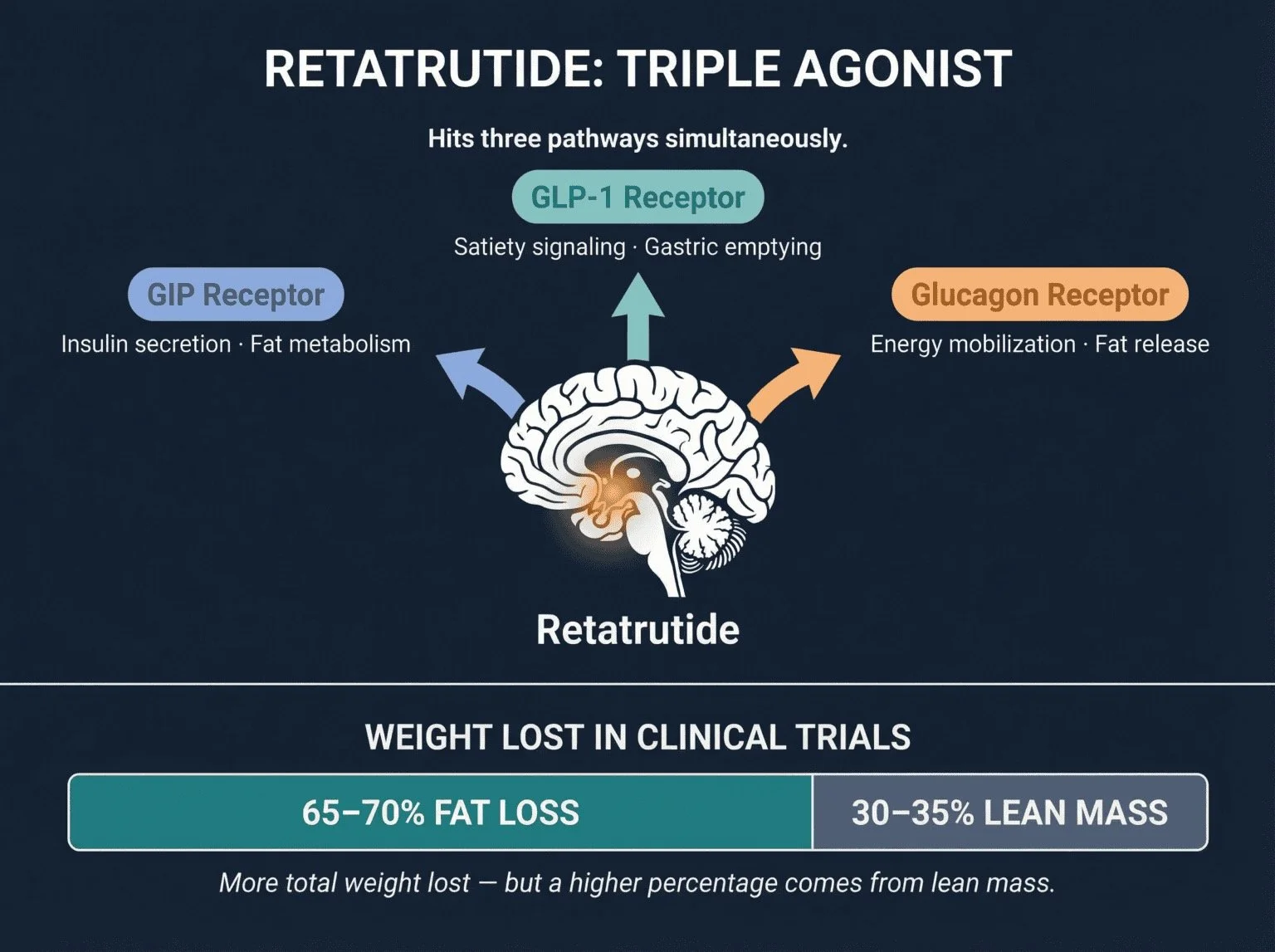
Current GLP-1 medications work on different numbers of receptors. Semaglutide (Ozempic) targets one receptor. Tirzepatide (Mounjaro) targets two. Retatrutide targets three, specifically GLP-1, GIP, and glucagon.
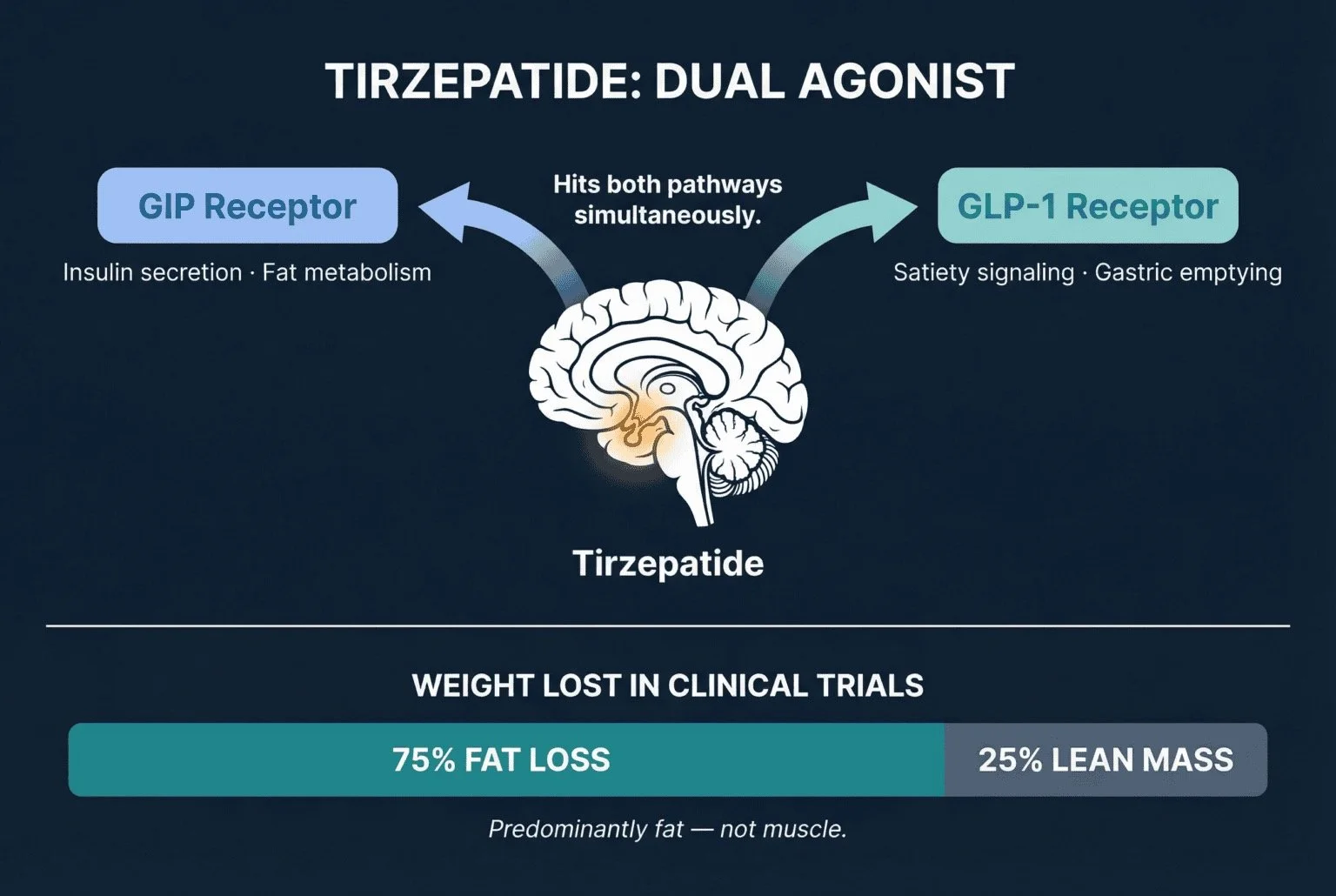
The addition of glucagon is what sets it apart. Glucagon increases metabolic rate and mobilises stored fat in a way the other medications don't. This is why the weight loss results in early trials have been so significant.
It's important to be clear though: retatrutide has not completed the full research and approval process. It is still in the clinical trial phase. The results are compelling, but the long-term data is still being collected.
Where things stand with regulation
Before 2023, many of these peptides were being prescribed by doctors. The FDA then stepped in and restricted most of them.
This is widely misunderstood, so it's worth being precise: the FDA did not restrict these peptides because they were proven to be dangerous. They restricted them because there wasn't sufficient completed evidence to fully support their safety and long-term use. That's an important distinction.
There is a growing body of evidence supporting several of these peptides. The regulatory process simply requires that evidence to be more complete before approvals are granted. Based on the trajectory of the research, if and when that happens, this space is going to move very quickly.
How people are currently accessing them
Even without full approval, these peptides are still being sold, typically labelled as "for research use only." That's the current loophole. They're technically sold for research rather than human use, though many people are using them that way.
They come in a powder form called lyophilised powder, which needs to be reconstituted with bacteriostatic water and stored correctly in a controlled temperature and light environment. There's a process involved, and it's worth understanding before considering this route.
As with anything in this space, the quality of the source matters significantly given the lack of regulatory oversight.
What the research shows so far
Beyond the clinical trials, there's a growing body of individual reports, particularly in online forums, Reddit, and TikTok. These are N=1 experiences and don't replace large-scale long-term data, but they are meaningful signals when the pattern is consistent.
Across both the research and individual reports, the areas showing the most promise are:
Weight loss and metabolic health
Improvements in fasting blood sugar, insulin, and markers like HOMA-IR
Improvements in PCOS and fertility markers
Skin and hair health
Reduced inflammation and faster recovery from injury
Early exploration in longevity and biological aging
The research is not complete. But the direction is consistent enough that this is a space worth following closely.
Key takeaways
Peptides are signalling molecules your body already produces naturally. The concept isn't new: insulin is a peptide
Unlike steroids, peptides work with your body's own systems rather than replacing them
Retatrutide targets three receptors (GLP-1, GIP, and glucagon) compared to one or two for current approved GLP-1 medications, which is why early trial results have been so significant
The FDA restricted most peptides in 2023 due to insufficient completed evidence, not proven danger
Most peptides are currently research use only, meaning they're available via grey market sources but not standard prescription
The research so far shows promise across fat loss, metabolic health, PCOS, skin, recovery, and longevity
This space is moving fast. Understanding it now puts you ahead of the conversation
FAQ
Are peptides safe? The answer depends on the specific peptide and the quality of the source. Some peptides like insulin have decades of safety data. Newer peptides like retatrutide are still in clinical trials. The FDA's 2023 restrictions were based on incomplete evidence rather than proven harm, but that doesn't mean all peptides are without risk. Quality of source and appropriate use matter significantly.
How are peptides different from steroids? Steroids are synthetic hormones that replace or override your body's hormonal processes. Peptides signal your body to regulate its own processes. This is a meaningful distinction in terms of mechanism and safety profile.
What is retatrutide and why is it getting so much attention? Retatrutide is a peptide currently in clinical trials for weight loss and metabolic health. It targets three receptors (GLP-1, GIP, and glucagon), compared to one or two for currently approved medications. Early trial data has shown body weight reductions of 20% or more, which is significantly higher than existing options.
Can you get peptides from a doctor? Most peptides covered here are currently research use only in most countries following FDA restrictions in 2023. Outside of specific approved uses, they're not available via standard prescription. Many people are accessing them through grey market sources labelled for research use.
Do you have to take weight loss peptides forever? This is one of the most common questions in this space. The short answer is that results depend heavily on the habits built while on the peptide. A full breakdown of this is covered in a separate video.
Conclusion
Peptides aren't a trend. They're a rapidly evolving area of research with real clinical data behind several key compounds. Understanding what they are, how they work, and where the science currently stands puts you in a much better position to make informed decisions as this space develops.
Watch the full YouTube video for a more detailed walkthrough, including more on retatrutide specifically. And if there's a particular peptide or use case you'd like a deeper dive on, drop it in the comments.
